- Home
Explosion Isolation Flaps
Explosion Isolation Flaps for Safe Handling of Combustible Dust
Nederman manufactures and selects ATEX tested and certified EIFs that are specifically designed to the same high quality standards as our dust collectors
Nederman has a wide range of Explosion Isolation Flap (EIF) valves which are used in combustible dust applications to prevent a pressure wave created inside a dust collector due to an explosion from traveling upstream back to the work area the dust was extracted from, protecting the worker, machinery and even the facility.
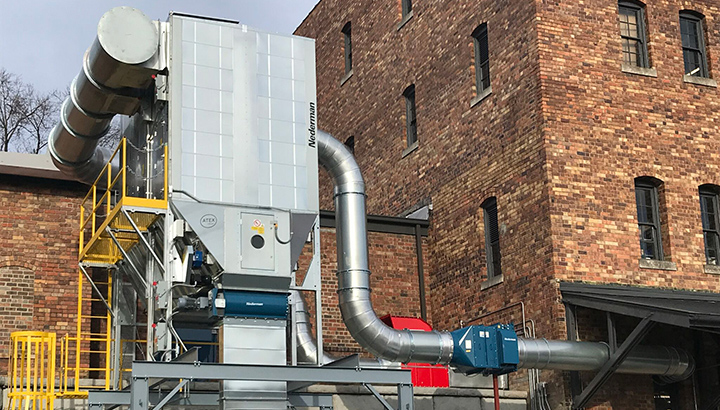
Nederman is the leader in handling combustible dusts from the point of extraction all the way through filtration and safe handling of the collected dust. In fact, Nederman designs and manufactures not only ATEX approved dust collectors, but also manufactures and selects ATEX tested and certified EIFs that are specifically designed to the same high quality standards as our dust collectors. This ensures that all components of a Nederman combustible dust system work optimally together to provide manufacturers with confidence of a safe system.
Selecting the right EIF
When selecting the correct EIF, several parameters need to be understood and it all starts with the type and size system being installed. Nederman offers one of the largest ranges of dust collectors to fit almost any combustible dust application and this requires that EIF valves are available to fit the different needs. Whether extraction is done through high vacuum or low vacuum extraction, negative pressure (pull) or positive pressure (push) system design, or indoors or outdoors, Nederman has combustible dust system solutions and EIF valves to fit the application need.
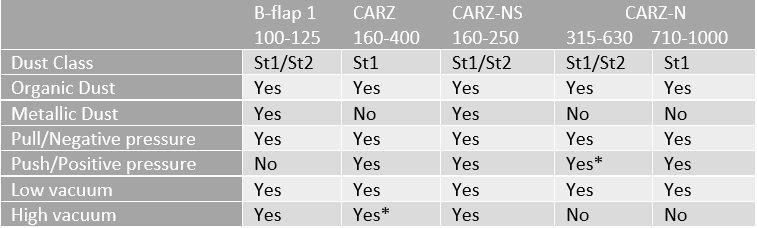
Contact Nederman for assistance in selecting the correct EIF valve for your dust collection system or to provide assistance in designing your complete combustible dust, dust collection system. Nederman has a team of combustible dust experts who can evaluate your need and provide you with the right equipment to protect your workers, your machinery and your facility.
Learn more about explosion isolation flaps
Is your dust combustible?
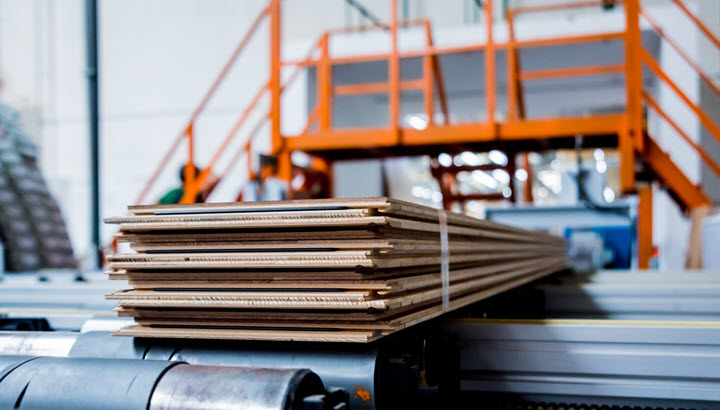
Many dusts are combustible, some that we do not expect. In the video below, watch us test several wood dust samples to see what happens when an ignition source is added to airborne dust.
What is combustible dust?
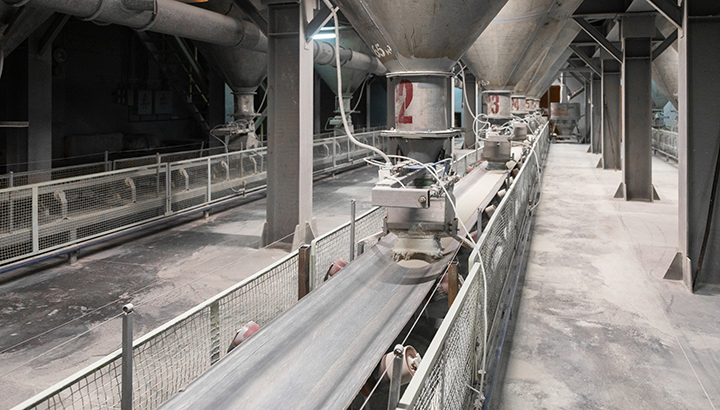
- Combustible dust, also known as explosive dust, is a by-product created from manufacturing processes that involve combustible raw materials
- It can be any fine material that can catch fire and explode when mixed with air and many materials can become combustible dust under specific conditions
- The small dust particles are a deadly hazard in many workplaces as they risk causing explosions that can potentially kill or injure workers and destroy machinery or even entire facilities
TeaserCard
JSS component is missing React implementation. See the developer console for more information.
Loading...