Carbon Fibre Dust: Hazards, Risks and Control Measures
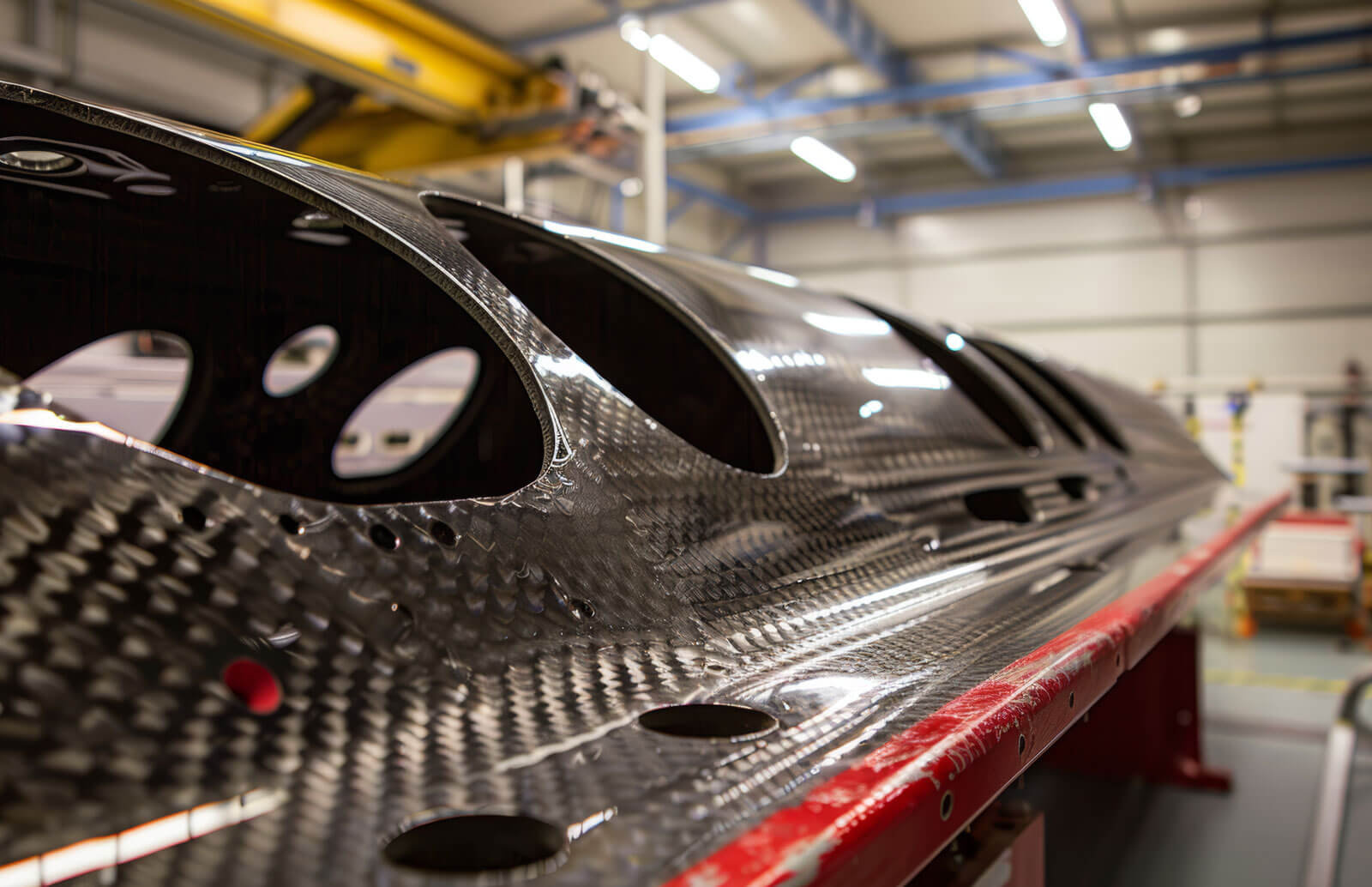
Carbon fibre composites are widely used across advanced manufacturing sectors including aerospace, motorsport, automotive, defence and marine industries. Their high strength-to-weight ratio makes them ideal for demanding applications, but manufacturing processes such as cutting, drilling, trimming and sanding can generate carbon fibre dust that requires effective management.
Maintaining control of dust within the workplace is an important consideration for manufacturers seeking to protect employees, improve operational efficiency and support cleaner production environments.
What is carbon fibre dust?
Carbon fibre dust is created when carbon fibre reinforced polymers (CFRP) and other composite materials are processed during manufacturing.
Typical processes that generate dust include:
- Cutting
- Trimming
- Sanding
- Grinding
- Drilling
- Machining
These activities can release fine airborne particles that may spread throughout the workplace if not effectively controlled.
In facilities where composite materials are processed regularly, dust can accumulate on machinery, work surfaces and floors, increasing housekeeping requirements and impacting productivity.
Why is carbon fibre dust a challenge?
Unlike larger waste materials, fine dust particles can remain suspended in the air for extended periods before settling onto surrounding surfaces.
Manufacturers commonly experience challenges such as:
- Airborne dust contamination
- Increased cleaning requirements
- Reduced process efficiency
- Additional use of personal protective equipment (PPE)
- Dust migration between work areas
- Production downtime associated with housekeeping activities
As the use of composite materials continues to grow, effective dust management is becoming an increasingly important part of manufacturing operations.
Carbon fibre dust and workplace exposure
In the UK, employers have a responsibility to assess and manage risks associated with substances generated during workplace activities.
Where carbon fibre composites are cut, sanded or machined, manufacturers may choose to implement engineering controls and dust extraction measures as part of their wider workplace health and safety strategy.
The characteristics of dust can vary depending on the materials being processed and the manufacturing methods used. For this reason, manufacturers should assess their specific processes when determining appropriate control measures.
Carbon fibre dust risk assessments
Every manufacturing process is different, and the behaviour of dust can vary depending on factors such as:
- Material composition
- Particle size
- Volume of dust generated
- Processing methods
- Workplace layout
- Ventilation arrangements
Risk assessments can help manufacturers understand how dust is generated, where it may accumulate and what controls may be required to manage it effectively.
A comprehensive dust management strategy often combines engineering controls, housekeeping procedures and employee training.
Dust control in composite manufacturing
Effective dust control starts at the source.
In composite manufacturing environments, capturing dust close to the point of generation can help prevent contamination from spreading throughout the facility.
Benefits of effective dust control may include:
- Cleaner production environments
- Reduced housekeeping requirements
- Improved product quality
- Better working conditions
- Increased operational efficiency
- Reduced downtime
By preventing dust from entering the wider workplace, manufacturers can support both productivity and workplace cleanliness.
Understanding combustible dust considerations
- Many manufacturing facilities assess whether the materials and processes used within their operations present combustible dust hazards.
- Where combustible dust risks are identified, facilities should implement appropriate engineering controls, housekeeping procedures and risk management measures.
- Dust extraction and filtration systems may form part of a wider combustible dust management strategy by helping contain, transport and filter process dust.
- The specific characteristics of any dust should always be determined through appropriate testing, risk assessments and compliance procedures.
Carbon fibre dust extraction solutions
Dust extraction systems play an important role in controlling airborne particulates generated during composite manufacturing processes.
Modern dust extraction and filtration systems are typically designed to capture dust directly from cutting, sanding and machining operations before it can disperse into the workplace.
Depending on the application, a system may include:
- Source-capture extraction points
- Ductwork systems
- Dust collectors
- Filtration technology
- Automated airflow controls
- Dust discharge systems
Demand-controlled extraction systems can also adjust airflow according to operational requirements, helping improve energy efficiency while maintaining effective dust control.
Supporting sustainable manufacturing
Manufacturers are increasingly looking for ways to improve sustainability while maintaining productivity.
Effective dust management can contribute to these goals by helping organisations:
- Create cleaner workplaces
- Improve process efficiency
- Reduce unnecessary energy consumption
- Support employee wellbeing
- Protect machinery and equipment
- Maintain production quality
For many manufacturers, dust control forms part of a wider strategy to support long-term operational performance and environmental objectives.
Carbon fibre dust control in practice
Across industries such as motorsport, aerospace and advanced engineering, manufacturers are investing in dust extraction and filtration technologies to improve workplace conditions and support manufacturing efficiency.
For example, McLaren Racing implemented a Nederman dust extraction and filtration solution as part of the development of its composites manufacturing facility. The project helped create a cleaner working environment, improve operational efficiency and support sustainability objectives.
Read the McLaren Composite Dust Extraction Case StudyNeed help assessing carbon fibre dust risks?
Whether you're evaluating airborne dust exposure, combustible dust risks or extraction requirements, Nederman's clean air experts can help you better understand your manufacturing environment.
- Learn more about combustible dust testing
- Explore composite manufacturing dust extraction solutions
- Contact our clean air specialists
Frequently Asked Questions
What is carbon fibre dust?
Carbon fibre dust consists of fine particles generated during the cutting, drilling, sanding, trimming or machining of carbon fibre composite materials.
Is carbon fibre dust hazardous?
Manufacturers should assess the characteristics of dust generated by their specific materials and processes. Appropriate risk assessments and control measures can help ensure dust is managed effectively within the workplace.
Can you breathe in carbon fibre dust?
Manufacturers should assess airborne dust exposure as part of their workplace risk assessment process and implement suitable control measures where necessary.
What happens if carbon fibre dust gets on skin?
Workplace procedures, PPE and hygiene practices can help reduce contact with dust generated during manufacturing operations. Manufacturers should follow their own workplace safety procedures and risk assessments.
Is carbon fibre dust combustible?
The combustible characteristics of dust depend on the specific material and process involved.
Manufacturers should assess dust properties through appropriate testing and risk assessment procedures.