Industrial Air Filtration Q&A: LEV, ATEX and Compliance
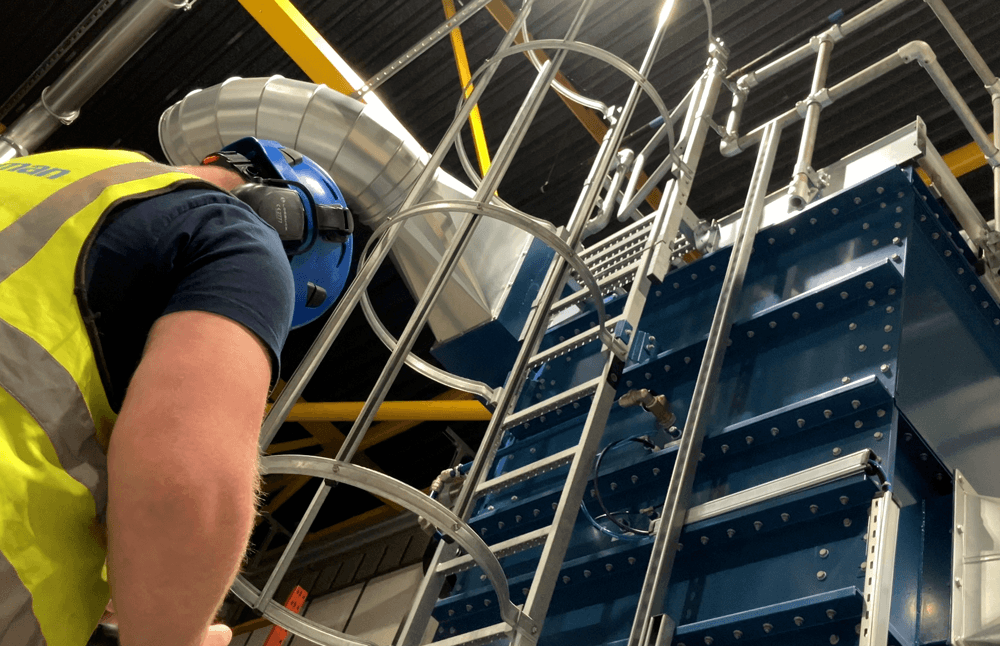
One of the key themes emerging from conversations with manufacturers is that many businesses are unsure whether their existing air filtration or extraction systems still meet their operational and compliance requirements. In some cases, organisations do not realise there are gaps in their current operational set-up.
This Q&A addresses common questions around industrial air filtration, LEV, ATEX and system suitability, providing practical guidance to help businesses create cleaner, safer and more compliant working environments.
Q: Can my business be non-compliant without realising it?
A: Yes. Many businesses assume that because an extraction and filtration system is installed, it automatically meets current requirements. However, changes to production processes, materials, legislation or maintenance practices will affect a system’s compliance.
Regular reviews help identify potential compliance gaps before they become larger issues.
Q: Do I need an industrial air filtration or extraction system?
A: Whether your business needs an industrial air filtration or extraction system depends on the processes you carry out and the airborne contaminants they generate. Activities such as welding, grinding, sanding, cutting, woodworking and manufacturing can produce dust, fumes or oil mist that should be effectively captured to protect employees, equipment and product quality.
Q: What is ATEX and when does it apply?
A: ATEX refers to regulations relating to equipment and workplaces where explosive atmospheres may occur. Combustible dusts generated during manufacturing processes will present an explosion risk if they are not effectively managed.
Whether ATEX applies depends on your materials, processes and the outcome of a risk assessment. In the UK, ATEX sits within the broader DSEAR framework, the Dangerous Substances and Explosive Atmospheres Regulations, which places a legal duty on employers to assess and control risks from explosive atmospheres.
Q: Does compliance apply regardless of business size?
A: Yes. Compliance responsibilities are based on workplace risks rather than the size of the business. Even small fabrication shops, joineries or engineering workshops generate hazardous dust or fumes that require suitable extraction.
Q: How do I know if my current extraction system is still suitable?
A: An extraction system that performed well when it was installed may no longer be suitable or compliant if your production processes, machinery or materials have changed. Signs that a system should be reviewed include visible dust, lingering fumes, inconsistent airflow, increasing maintenance requirements or rising energy consumption.
If you have updated or replaced something within your system, an LEV test will be required.
Q: What are the risks of poor industrial air filtration?
A: Poor air filtration can affect employee health, product quality, equipment reliability and operational efficiency. In some environments, combustible dust accumulation can also increase fire or explosion risks if not properly managed.
Q: What is an LEV system, and why is it important?
A: Local Exhaust Ventilation (LEV) systems are designed to capture dust, fumes, mist and other airborne contaminants at their source before they spread throughout the workplace.
A correctly designed and maintained LEV system helps protect employees, supports compliance with workplace health and safety requirements, and improves overall air quality.
Q: Can I upgrade my existing extraction or filtration system instead of replacing it?
A: In many cases, yes. Existing systems can often be improved by upgrading filters, controls, monitoring technology or fan performance to better match current operational requirements.
Retrofitting is an effective way of improving what you have rather than replacing your entire system if that is not required.
Q: How often should industrial air filtration systems be inspected?
A: Inspection frequency depends on the type of system; the contaminants being captured and the regulations that apply to your workplace. Regular inspections and maintenance help ensure extraction systems continue to operate safely and efficiently while reducing the risk of unexpected downtime.
LEV systems should be tested no later than every 14 months to ensure compliance and staff protection.
The 14-month window rather than a fixed annual date is deliberate, as it allows testing to be carried out across different seasons to account for the fact that system performance can vary with environmental temperature and humidity.
Q: Why is industrial air filtration important beyond compliance?
A: While compliance is an important consideration, effective industrial air filtration also contributes to employee wellbeing, improved productivity, reduced maintenance costs, better energy efficiency and a cleaner working environment.
By understanding your processes and operational goals, Nederman can recommend a system that not only supports regulatory requirements but also helps to improve long term performance and sustainability.
Contact Nederman