Cleaner Air Behind the Scenes of Cultural Preservation
From uncovering fossils to conserving musical instruments, Nederman extraction arms support the work of preserving our past.
Some of the most compelling work in a museum happens before an object ever goes on display. Specialists uncover fossils, repair historic instruments and conserve collections, turning discoveries into opportunities for research and learning. In working laboratories, visitors can watch that process unfold.
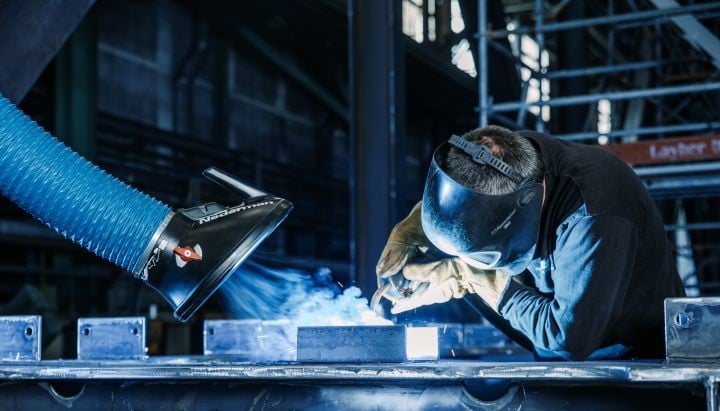
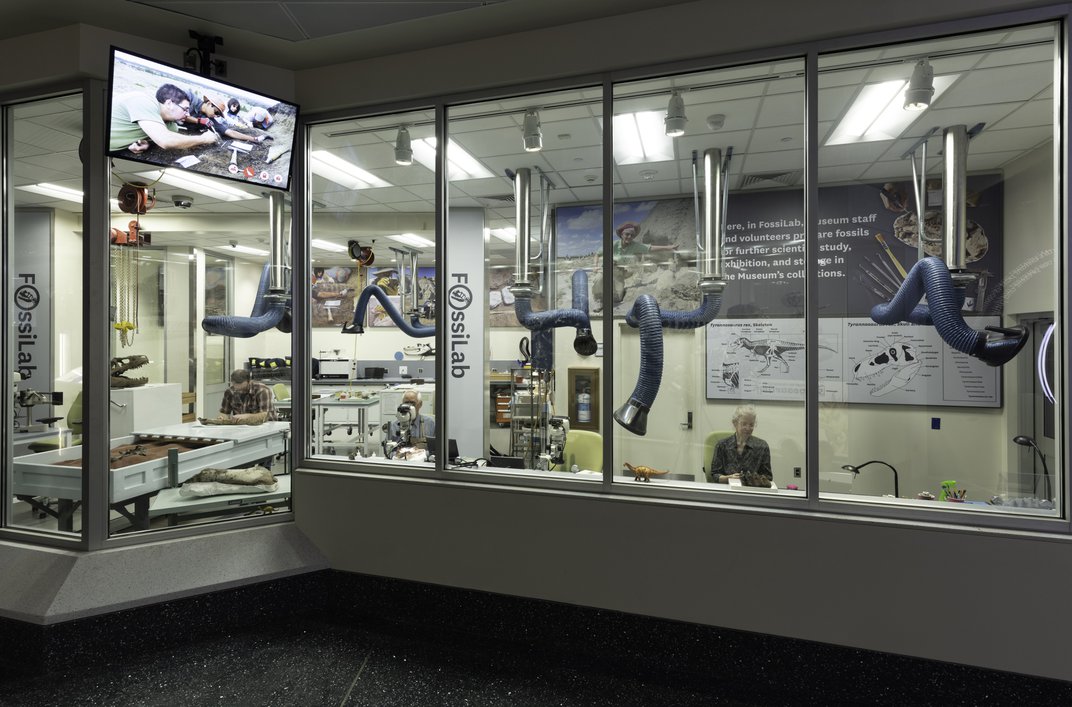
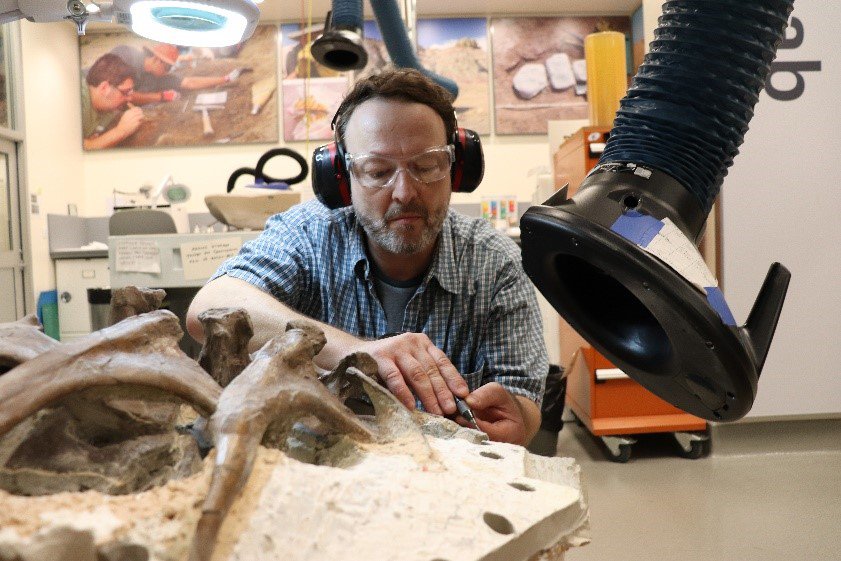
Nederman extraction arms help capture fumes, dust and particulates close to where they are generated in these specialized environments. Their use in museum laboratories and during the restoration of Notre Dame Cathedral shows how clean-air technology contributes to the work of cultural preservation.
Smithsonian FossiLab
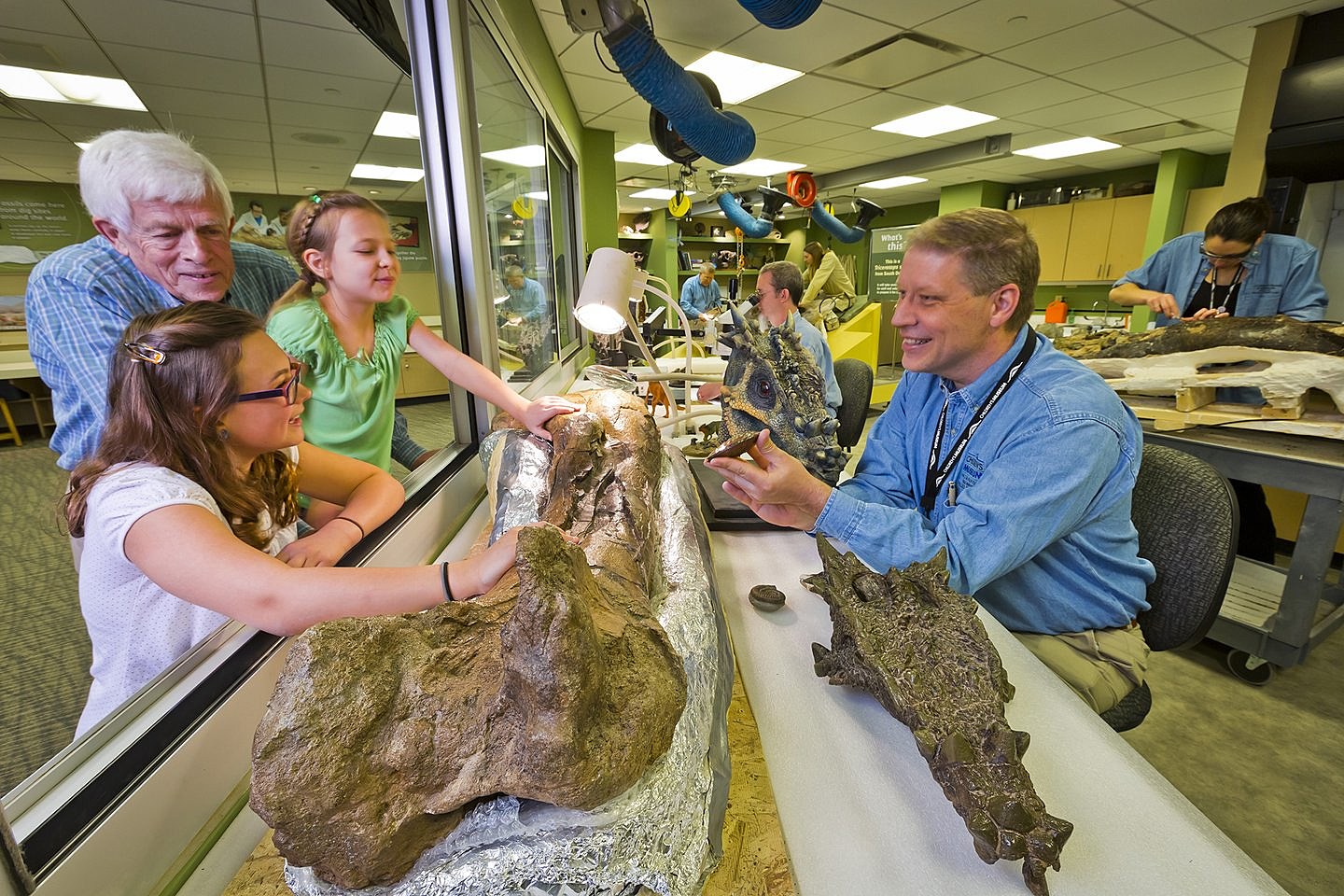
At the Smithsonian’s National Museum of Natural History in Washington, DC, FossiLab brings fossil preparation into public view. Staff and trained volunteers remove surrounding rock, sift sediment for tiny fossils and prepare specimens for exhibition or scientific study.
A small fossil might take only hours to uncover, while a large skeleton embedded in hard rock could require years. The team also prepares fossils already held in the museum’s collections, showing that discoveries can emerge long after an excavation ends.
The Children’s Museum of Indianapolis
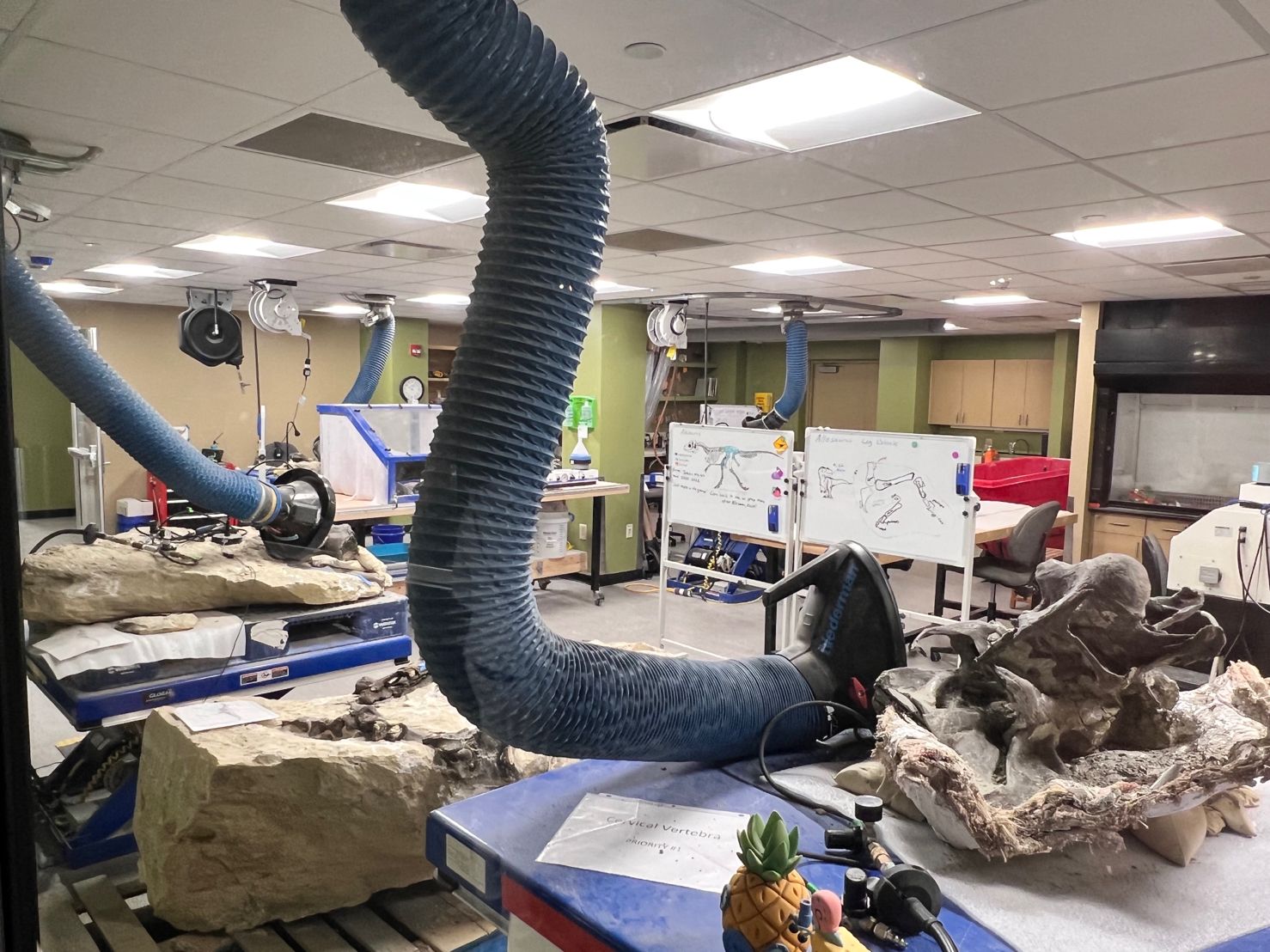
The Children’s Museum of Indianapolis connects visitors with the scientists behind its prehistoric discoveries. In its paleo laboratories, paleontologists prepare and study fossils, making the process behind the exhibits part of the experience.
Expanded laboratory space accommodates larger fossils collected in Wyoming, helping visitors follow the journey from field discovery to scientific investigation.
Field Museum
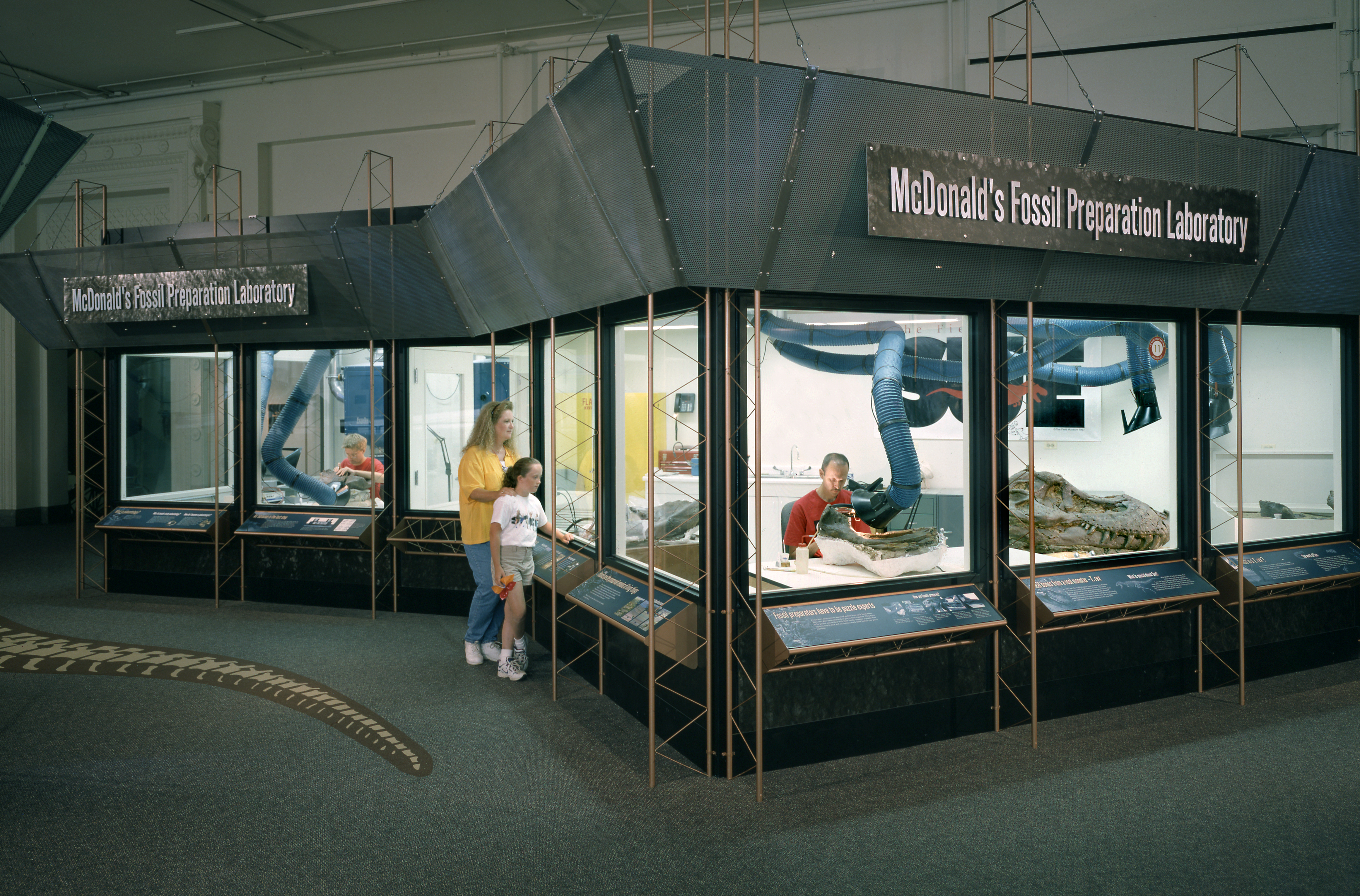
At Chicago’s Field Museum, the McDonald’s Fossil Preparation Lab lets visitors follow projects as specialists carefully expose fossils collected in the field, preparing them for research or display.
The work extends beyond uncovering each specimen. Careful handling, documentation and storage help preserve fossils as research materials, maintaining their value beyond a single project or exhibition.
Musical Instrument Museum
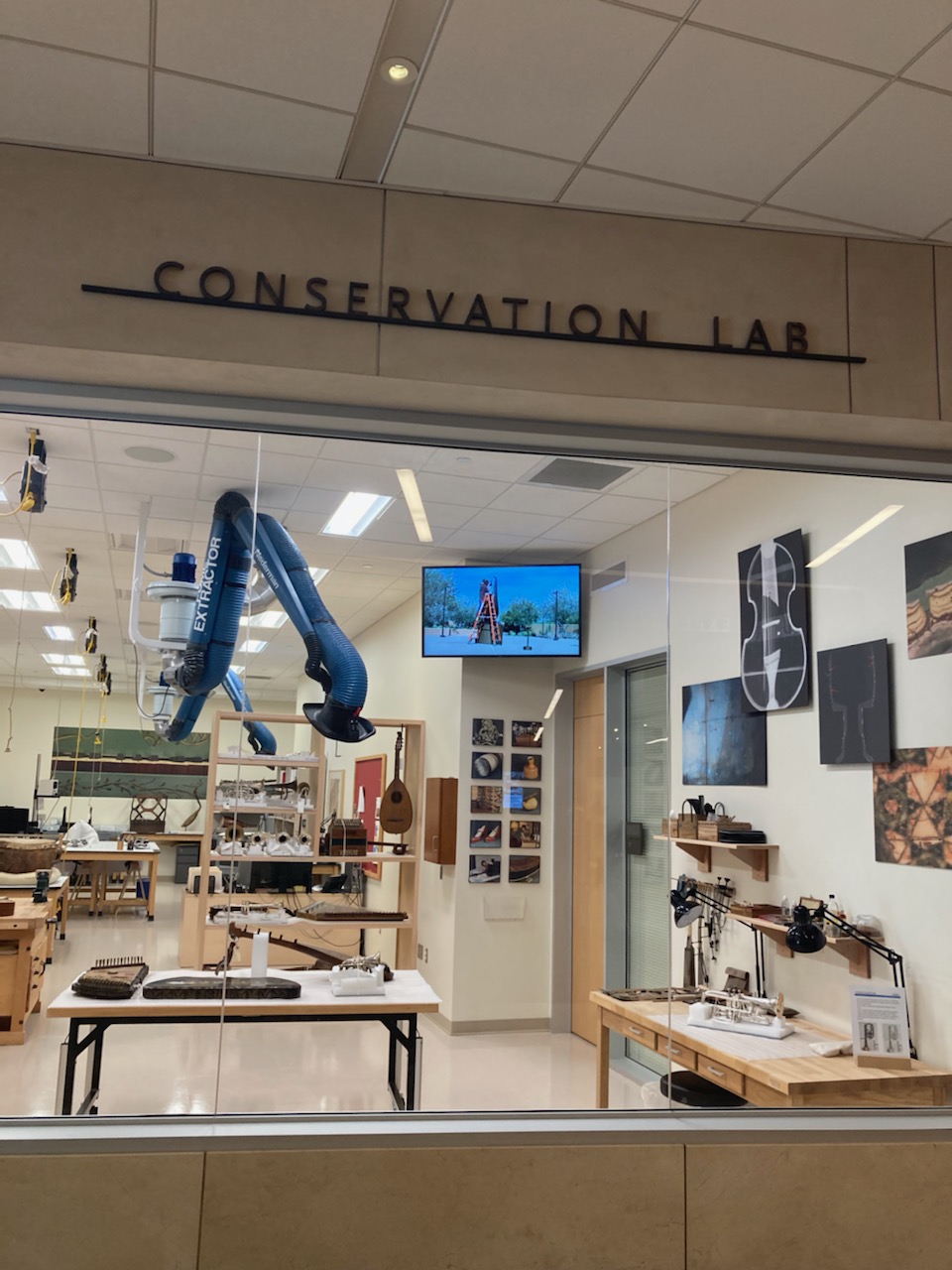
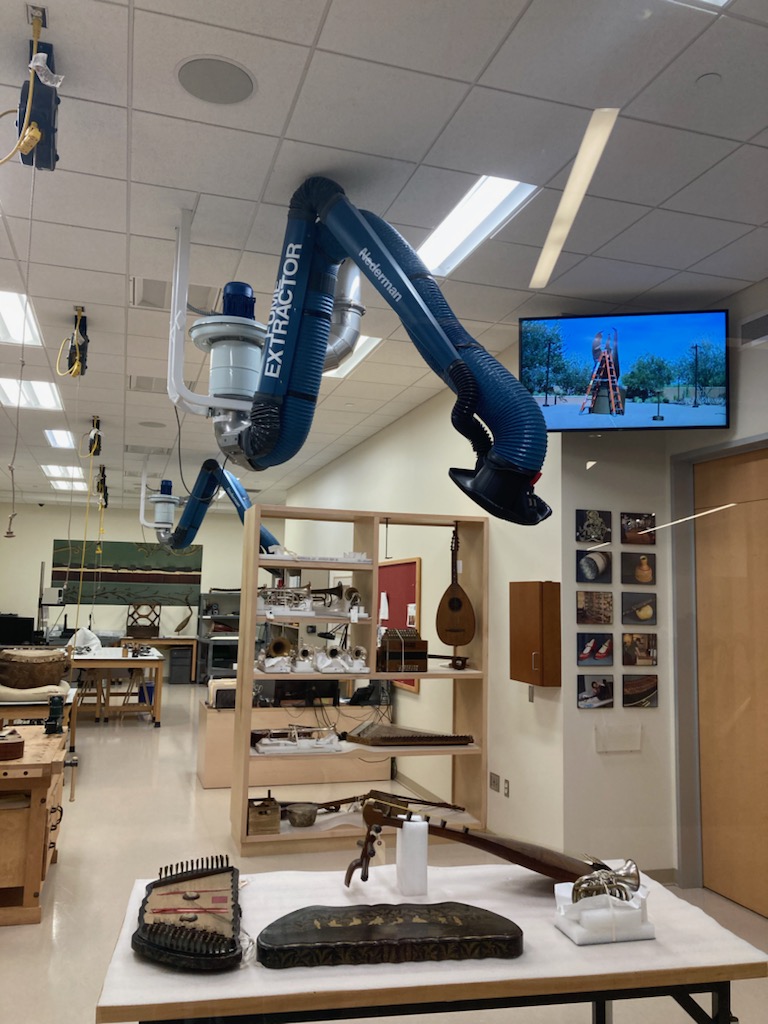
The Musical Instrument Museum in Phoenix, Arizona, conserves instruments and music-related artifacts made from materials including wood, metal, bone, hide and plastic. Each presents different considerations for treatment and preservation.
Through a large window into the Conservation Lab, guests can observe examination, cleaning, repair, restoration and documentation, gaining an appreciation of the expertise required to care for the collection.
Notre Dame Cathedral
Restoration efforts at Notre Dame Cathedral brought together specialists working on its structure, stone sculptures, stained glass and other historic features following the fire. Nederman extraction arms were part of that effort, extending the company’s cultural heritage applications beyond museum walls.
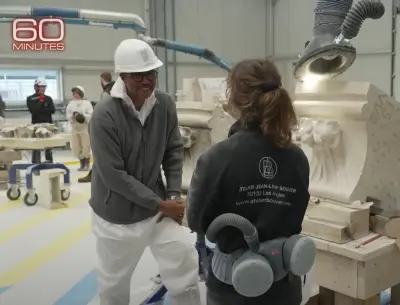
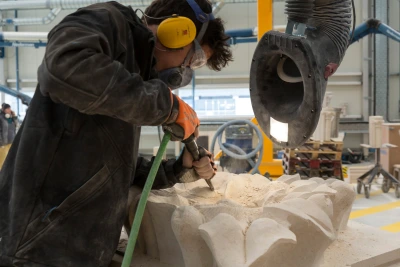
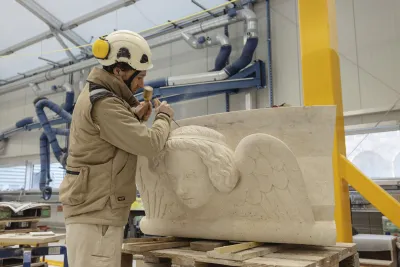
From prehistoric discoveries to musical heritage and architectural landmarks, these installations show a different side of Nederman’s clean-air technology. Behind the exhibits and beyond museum walls, its extraction arms support the work that keeps history within reach of future generations.